Square Footage That Stays Dry Year-Round
Basement Remodeling in Salem for unfinished spaces affected by seasonal moisture and drainage issues
Salem's rainy season and elevated water table create conditions where basement moisture shows up as dampness along foundation walls, condensation on cold-water pipes, and musty odors that worsen between November and March. Attempting to finish a basement without addressing these conditions leads to mold growth behind drywall and warped framing within the first wet season after completion. Strunk Family Construction begins basement remodeling with drainage assessment and moisture barrier installation, identifying where water enters and how it moves through the foundation before any framing lumber is cut or insulation installed.
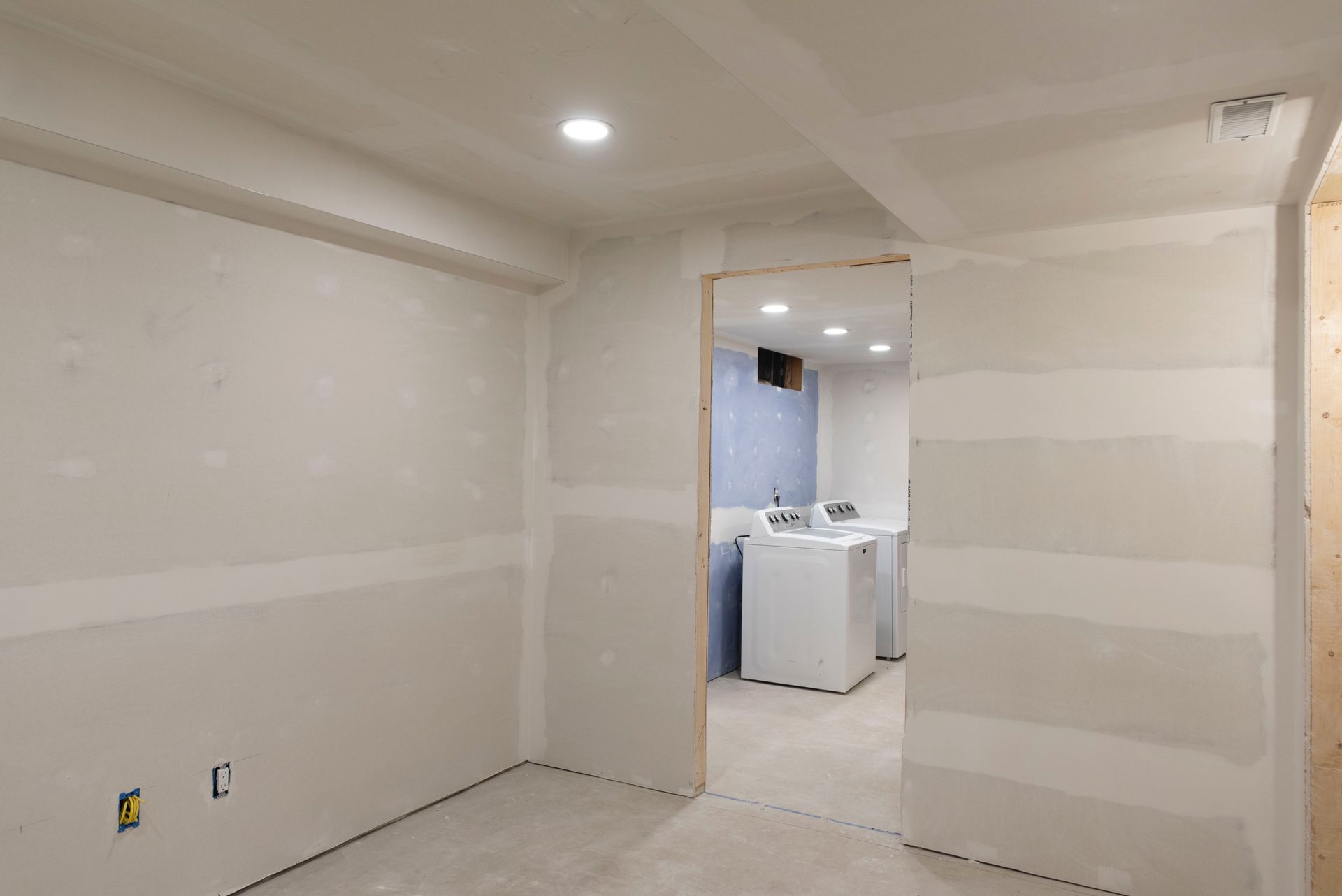
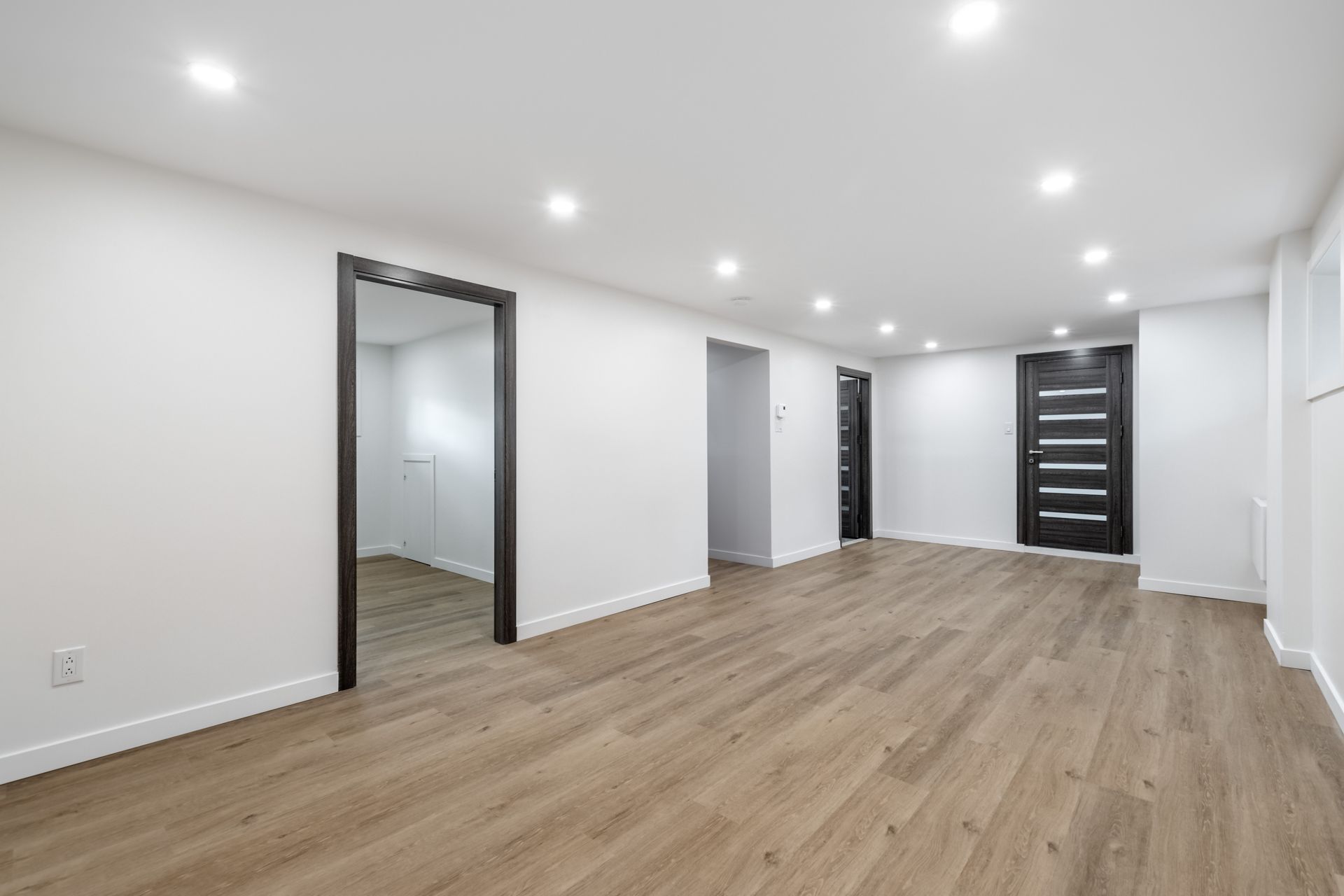
This service converts unfinished or underused basement areas into livable square footage by managing the structural moisture challenges specific to Oregon's wet climate. The work addresses both the finishing scope—framing, drywall, flooring—and the moisture control systems required to prevent long-term deterioration in below-grade spaces.
Schedule a basement assessment to evaluate current moisture conditions and drainage patterns before framing plans are developed.
Why Moisture Barriers Install Before Framing Begins
The contractor inspects foundation walls for active water intrusion, checks floor slab for groundwater wicking, and evaluates exterior grading to determine if surface water drains away from the foundation or pools against it. If drainage problems exist, those get addressed first—either through exterior solutions like downspout extensions and grading corrections, or interior measures such as vapor barriers and sump pump installation. Only after moisture pathways are controlled does framing begin, because even pressure-treated lumber deteriorates when exposed to continuous dampness in enclosed wall cavities.
When the project completes, Strunk Family Construction delivers basement space that remains dry through winter storms, with walls that do not show condensation, floors that stay warm enough for year-round use, and air quality that does not degrade during wet months. Finished surfaces appear level and square, electrical outlets function in code-compliant locations, and moisture no longer migrates through foundation walls into living areas.
The basement remodeling scope includes framing, insulation, drywall, and basic electrical for lighting and outlets, but does not cover whole-house HVAC modifications or exterior foundation waterproofing that requires excavation. Homes in West Salem and Northgate often require sump pump installation as part of moisture management strategy.
Questions Homeowners Ask About Basement Finishing
Basement remodeling in Mid-Valley homes involves moisture considerations that differ from above-grade renovations. The following answers address practical concerns about converting unfinished basement space.
How do you determine if a basement has moisture problems before finishing begins?
The contractor inspects for visible water staining, measures relative humidity levels, and performs tape tests on foundation walls to check for active moisture transmission through concrete.
What happens if groundwater seepage is discovered during the assessment?
Depending on severity, solutions range from interior vapor barriers and drainage matting to sump pump systems—exterior excavation and waterproofing are recommended when interior measures cannot control active water intrusion.
Does basement remodeling require permits in Salem?
Yes, framing, electrical, and plumbing work all require permits, and egress window installation triggers additional code requirements for bedroom spaces below grade.
Why does Oregon's wet season make moisture control more important than in drier climates?
The extended period of rainfall saturation raises the water table and increases hydrostatic pressure against foundation walls, creating conditions where moisture moves through concrete and compromises finished materials if barriers are inadequate.
What should homeowners look for when hiring a contractor for basement finishing?
CCB License 194047 provides regulatory accountability, but equally important is demonstrated experience with below-grade moisture management—not just framing and drywall skills, but understanding how water behaves in Salem's soil and climate conditions.
Strunk Family Construction operates as a licensed Mid-Valley contractor with specific focus on moisture challenges that affect basement remodeling in this region. Request an initial site visit to review your basement's current condition and discuss moisture control options specific to your property's drainage characteristics.