
Subfloors That Prevent Buckling Before Installation
Flooring Installation in Salem for homes requiring humidity-adjusted prep and proper material acclimation
Willamette Valley humidity fluctuates seasonally, causing wood-based flooring materials to expand during wet months and contract during dry periods. Strunk Family Construction installs residential flooring throughout Salem with mandatory acclimation periods and subfloor flatness verification to prevent gapping and buckling that occur when these steps are skipped. You need this service when replacing worn flooring, upgrading material types, or addressing subfloor damage that prevents proper installation.
The installation process begins with subfloor inspection for flatness, moisture content, and structural integrity before any new material is delivered. Flooring materials acclimate to interior humidity levels for a minimum period determined by product type and current indoor conditions, preventing dimensional changes after installation. Subfloor prep includes leveling compound application where measurements exceed flatness tolerances and fastening of loose sections that would telegraph movement through the new floor surface.
Arrange a subfloor evaluation to identify prep requirements and material options suited to your home's interior humidity conditions.
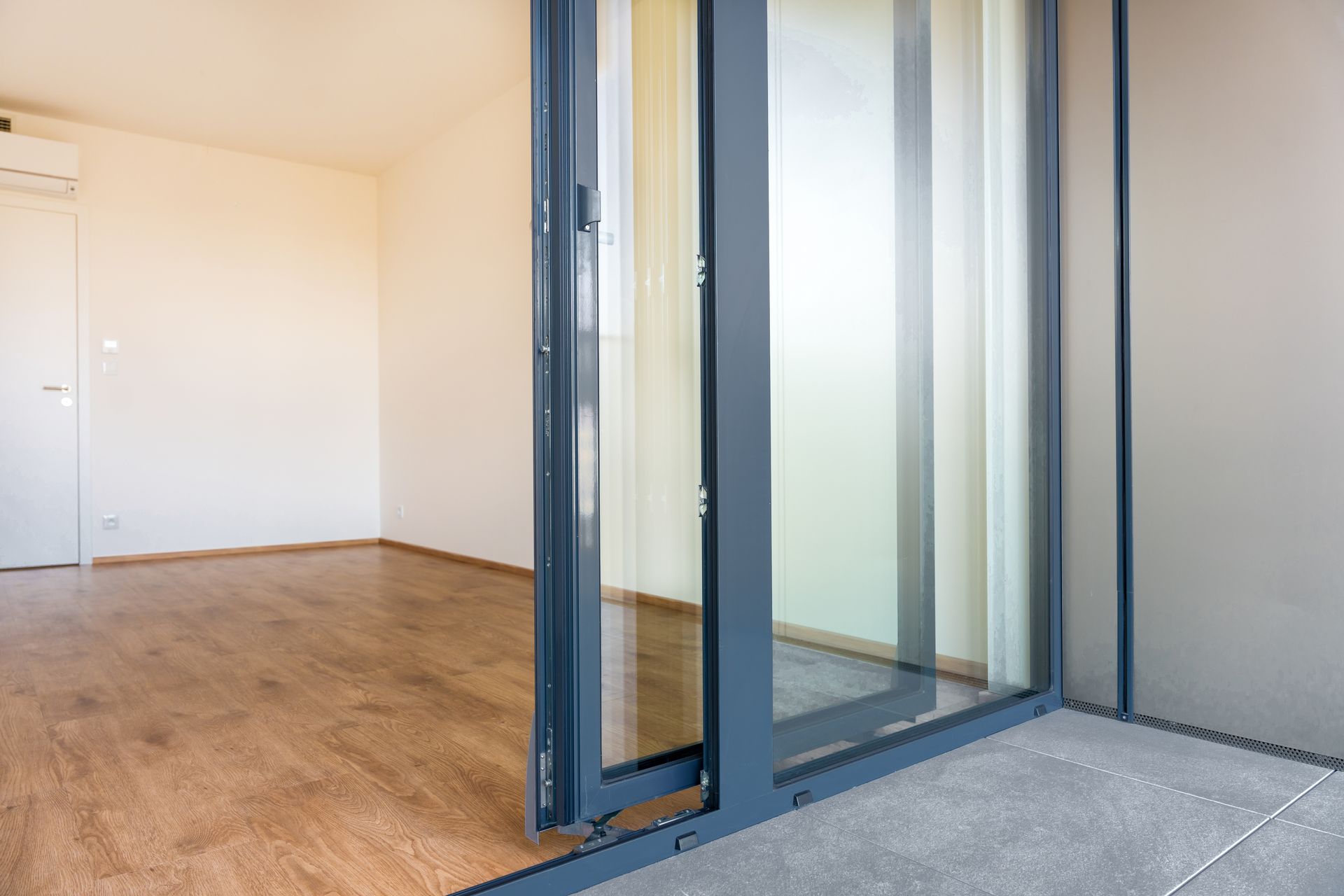
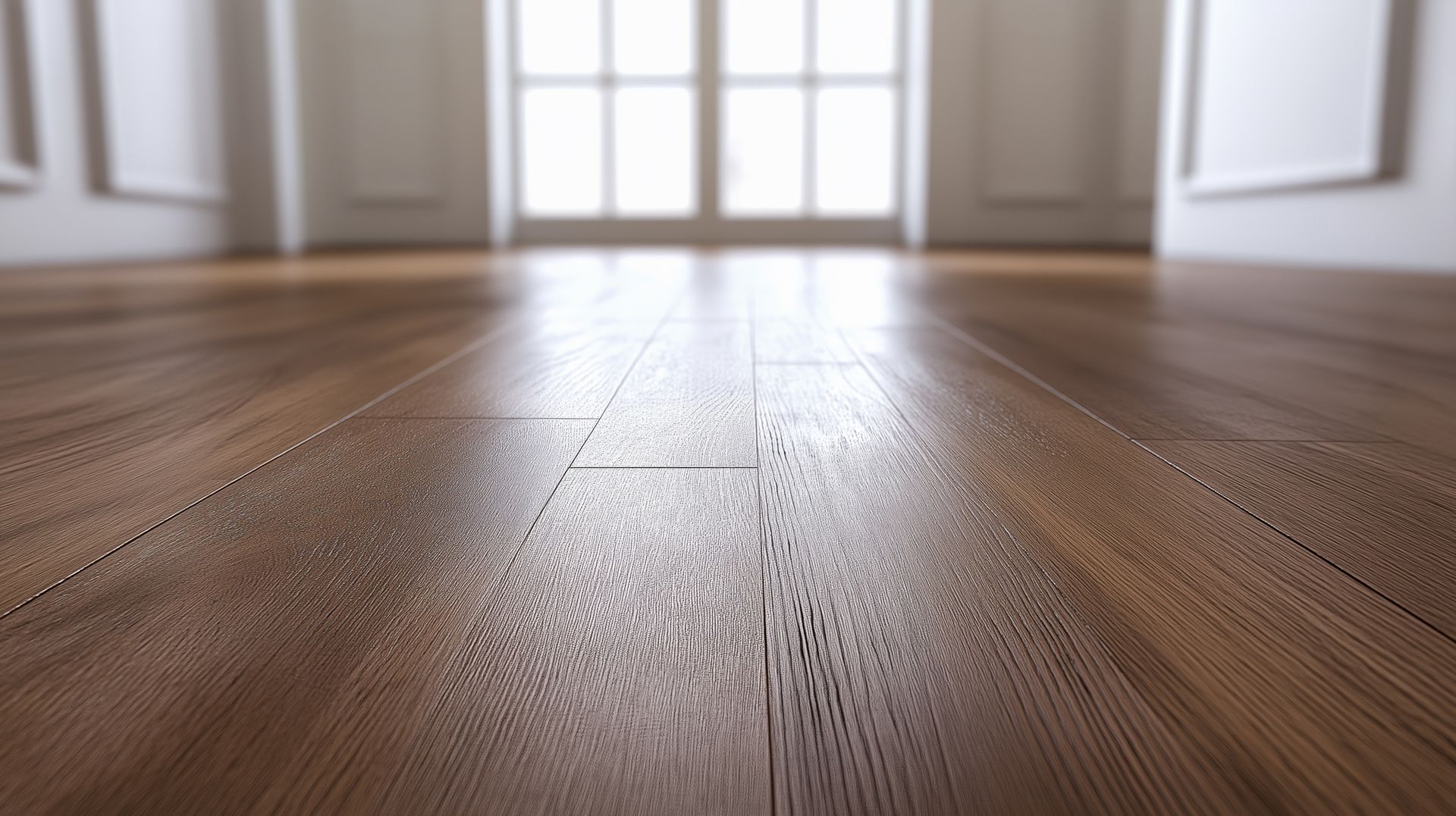
How Flooring Installation Addresses Regional Humidity
Subfloor flatness directly affects how flooring performs after installation, particularly with rigid materials that cannot conform to underlying irregularities. High spots cause hollow sections beneath planks, while low spots create flex points that loosen fasteners or break locking mechanisms in floating floors. Salem-area homes with crawl spaces often show moisture-related subfloor swelling in winter months, requiring assessment of vapor barrier condition before new flooring is installed over affected areas.
After installation, the floor surface sits level without springy sections, visible gaps at plank edges, or popping sounds during foot traffic. Transition strips at doorways and material changes sit flush with both surfaces, preventing trip hazards and allowing door swing clearance. Flooring installed after proper acclimation maintains consistent gaps at perimeter walls throughout seasonal humidity shifts, avoiding the edge compression that causes buckling in summer or gapping in winter.
The service includes subfloor prep, material installation, and transition strip placement but does not include furniture moving, baseboard removal and reinstallation, or underlayment upgrades unless specified during estimation. Homes in Hayesville and South Salem with older subfloor systems may require additional fastening or structural repair beyond standard leveling and cleaning.
Common Questions About This Service
Property owners preparing for flooring installation often ask about acclimation timing and what subfloor conditions prevent installation from proceeding.
What is the acclimation period for flooring materials in Salem's climate?
Wood and laminate products typically require 48 to 72 hours in the installation environment to stabilize moisture content, though exact timing depends on material thickness and current indoor humidity levels. Acclimation prevents the dimensional changes that cause gapping or buckling after installation.
How flat does a subfloor need to be before new flooring is installed?
Industry standards require subfloors to measure within one-eighth inch variance over a ten-foot span for most flooring types. Rigid materials like luxury vinyl plank and engineered hardwood will telegraph subfloor irregularities through the surface if this tolerance is not met.
Why does flooring installation in the Mid-Valley require vapor barrier assessment?
Crawl space moisture migrates through subfloors during wet months, raising wood moisture content and causing swelling or cupping. Homes without functioning vapor barriers often experience flooring failures that reoccur regardless of installation quality.
When should I replace flooring instead of refinishing existing hardwood?
Flooring with deep wear-through to bare wood, structural damage from water exposure, or insufficient remaining thickness to sand again requires replacement. Strunk Family Construction holds CCB License 194047 and evaluates whether your existing floor can support another refinishing cycle during pre-installation inspection.
What happens if flooring is installed without proper subfloor prep in Salem?
Uneven subfloors cause planks to flex, breaking locking systems in floating floors and creating hollow spots that amplify sound. High moisture content from inadequate vapor barriers leads to cupping and edge lift within the first wet season after installation.
Strunk Family Construction serves Turner, Hayesville, and surrounding Mid-Valley neighborhoods with residential flooring installation. Contact us to schedule a subfloor inspection and discuss material options appropriate for your home's specific conditions.