
Water Barriers That Stop Infiltration Behind Panels
Siding Installation in Salem for homes with water intrusion failures at seams and trim connections
Oregon's wet winters expose siding seam and trim failures quickly, with water infiltration behind panels creating a recurring and costly problem in Mid-Valley housing stock. Strunk Family Construction addresses the water barrier layer during every siding installation, not just the visible panel surface, because moisture that bypasses exterior cladding causes sheathing rot and interior damage long before it becomes visible from outside. Homes in Four Corners and Morningside neighborhoods need this service when existing siding shows paint failure, warping, or interior water stains that indicate the weather-resistant barrier has failed.
Siding installation begins with removal of existing panels and inspection of house wrap or felt paper beneath for tears, gaps at seams, or missing sections that allow water to reach wall sheathing. Seam taping and flashing integration at windows and doors create a continuous drainage plane that directs water down and out rather than allowing it to pool behind trim or penetrate at fastener locations. New siding panels are installed with appropriate expansion gaps and fastening patterns that accommodate seasonal movement from humidity changes without buckling or pulling fasteners through the material.
Request a siding and moisture barrier inspection to identify hidden water intrusion points before visible exterior damage spreads to structural components.
Why Moisture Management Matters for Mid-Valley Siding
The weather-resistant barrier behind siding determines whether water that penetrates the exterior cladding drains away or accumulates against sheathing and framing. Homes built before modern building codes often lack integrated flashing at windows or have house wrap installed without seam taping, creating pathways for water to bypass the drainage plane. Salem's extended wet season keeps these vulnerable areas damp for months, accelerating rot in sheathing and rim joists that support siding attachment.
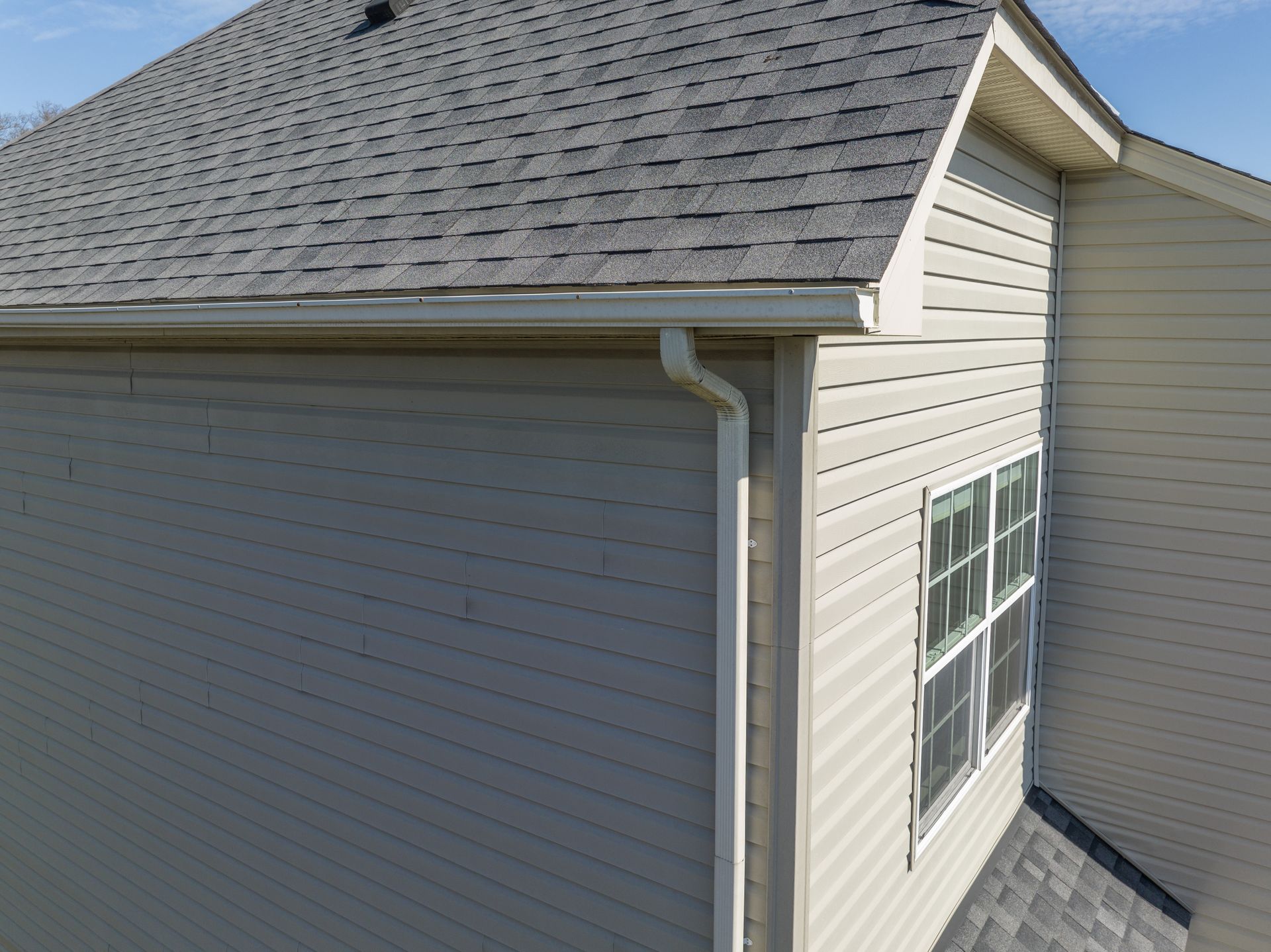
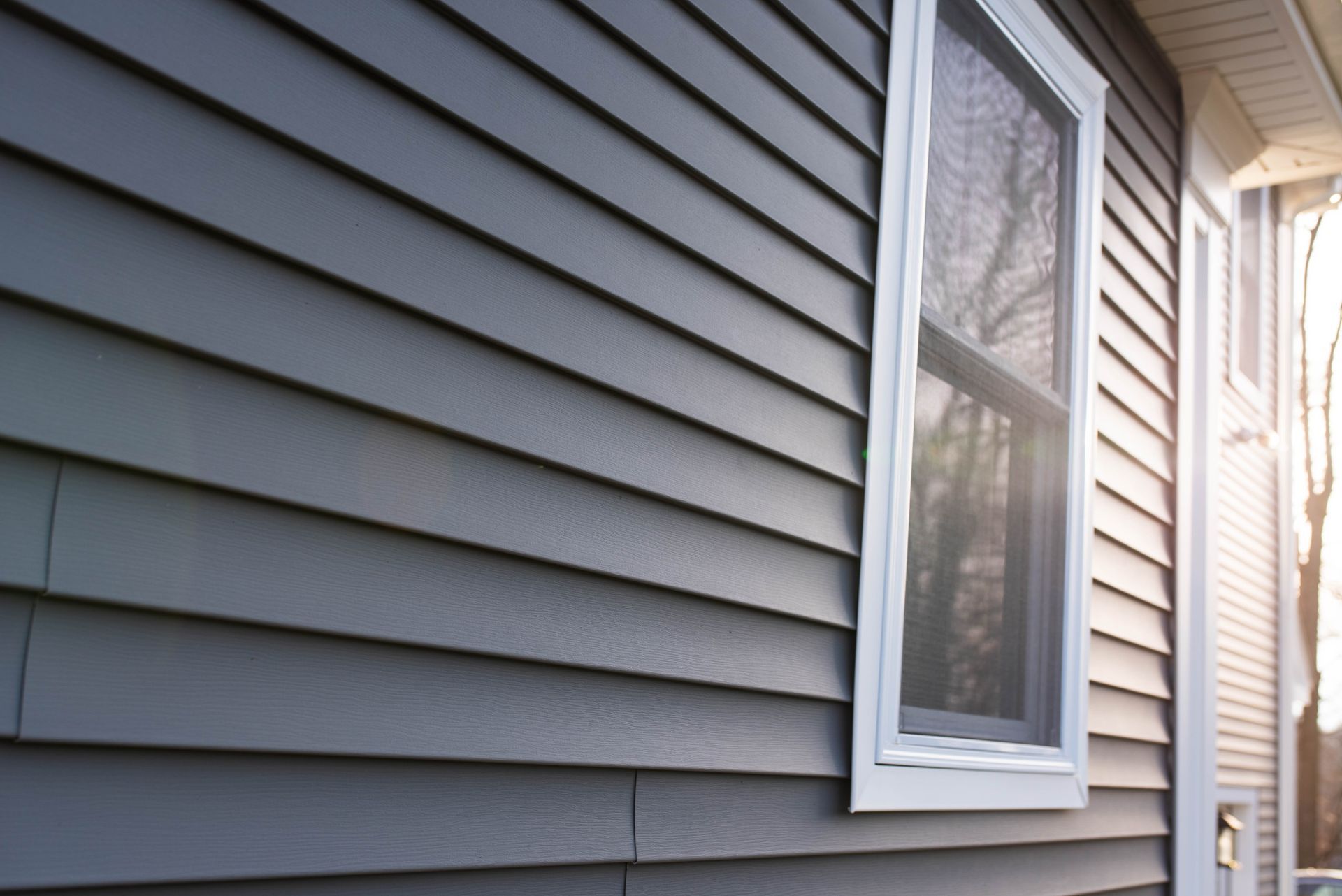
After siding replacement, water no longer infiltrates at panel seams or trim connections during wind-driven rain events. The drainage plane behind panels sheds moisture that penetrates the cladding, preventing accumulation against sheathing that causes rot and interior staining. Properly installed siding maintains uniform appearance without wave patterns from underlying sheathing irregularities or fastener pop-through from seasonal wood movement.
The service includes existing siding removal, house wrap inspection and repair, flashing installation at penetrations, and new panel installation but does not include sheathing replacement, window replacement, or trim carpentry beyond standard installation unless damage is identified during removal and added to scope. Homes with extensive sheathing rot require structural repair before new siding can be installed over compromised surfaces.
Common Questions About This Service
Homeowners planning siding replacement ask about moisture barrier requirements, material options, and what gets included in the installation scope.
What is house wrap and why does it matter for siding performance?
House wrap creates a weather-resistant barrier that allows water vapor to escape from wall cavities while preventing liquid water from reaching sheathing. Properly installed house wrap with taped seams and integrated flashing directs water down and away from the structure even when siding joints or fastener penetrations allow moisture entry.
How does Salem's wet climate affect siding material selection?
Prolonged moisture exposure accelerates rot in wood siding and causes paint adhesion failure on improperly primed surfaces. Fiber cement and vinyl siding resist moisture damage better than wood but still require proper moisture barrier installation to prevent sheathing deterioration behind the panels.
When should siding be replaced instead of repainted?
Siding with warping, soft spots from moisture absorption, or widespread paint failure that exposes bare substrate requires replacement rather than cosmetic refinishing. Strunk Family Construction holds CCB License 194047 and evaluates substrate condition during inspection to determine whether existing siding can support another paint cycle.
What causes siding to fail at seams and corners in Four Corners and Morningside neighborhoods?
Missing or improperly installed flashing at corners and trim connections allows water to enter behind siding panels. Older homes in these areas often lack the integrated flashing systems now required by building codes, making them vulnerable to water intrusion during heavy rain events.
How long does siding installation take from start to finish?
Single-story homes typically require one to two weeks depending on the extent of moisture barrier repair needed and weather conditions that allow exterior work to proceed. Projects requiring extensive sheathing replacement extend the timeline based on the amount of structural repair identified during panel removal.
Strunk Family Construction serves Four Corners, Morningside, and surrounding Salem-area neighborhoods with siding installation that treats moisture management as a standard part of the job. Schedule an exterior evaluation to assess your current siding condition and identify moisture barrier failures before they cause structural damage.